


Introduction –
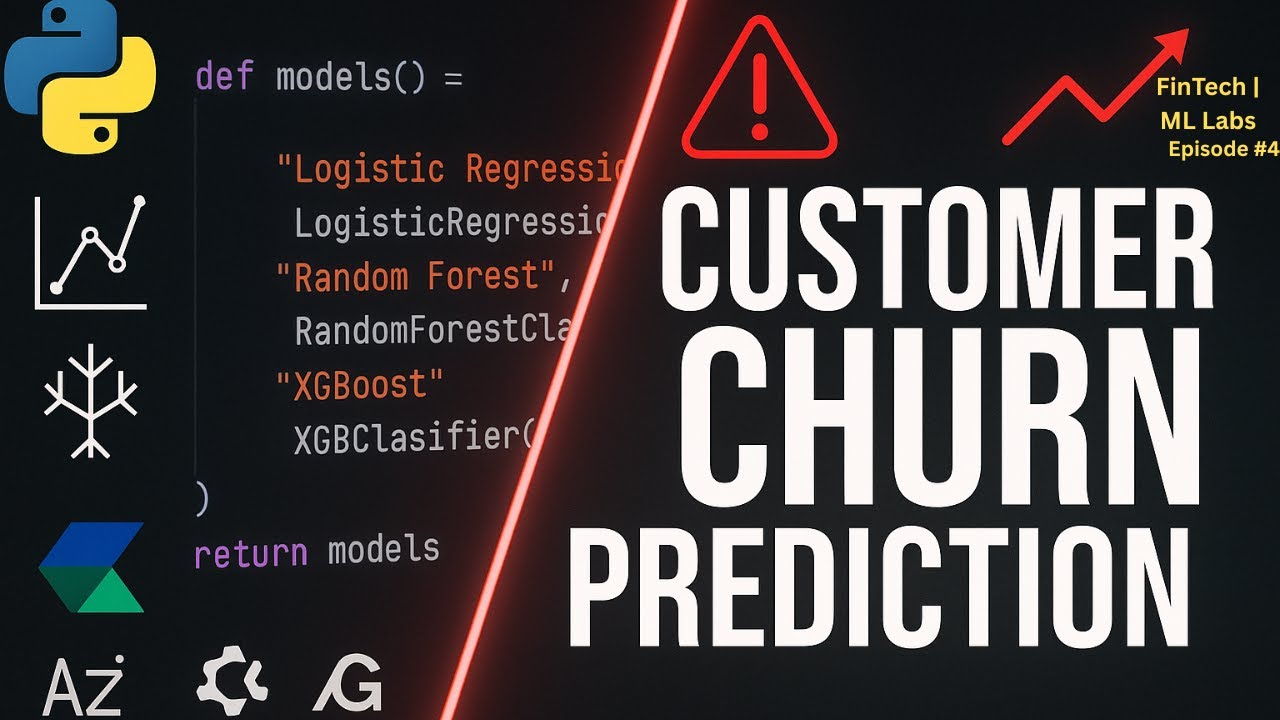
In today’s highly competitive business environment, retaining customers has become a top priority for organizations across industries. While traditional analytics focuses on customer behavior and transactional data, it often overlooks a crucial factor—customer emotions. This is where AI-driven sentiment analysis plays a transformative role. By analyzing how customers feel about a product or service, businesses can identify early warning signs of dissatisfaction and predict potential churn before it happens.
Understanding Customer Churn –
Customer churn refers to the rate at which customers stop doing business with a company over a specific period. It is a critical metric because losing customers directly affects revenue and growth. Conventional churn prediction models rely on structured data such as purchase history, usage patterns, and customer service interactions. However, these models may fail to capture the emotional triggers behind a customer’s decision to leave, making them less effective in proactive retention strategies.
Role of Sentiment Analysis in Churn Prediction –
Sentiment analysis, powered by Natural Language Processing (NLP), enables organizations to evaluate customer opinions and emotions expressed in text data. This includes feedback from emails, chat conversations, social media, and reviews. AI enhances this process by identifying not just whether feedback is positive or negative, but also the intensity and context of emotions. As a result, businesses gain deeper insights into customer satisfaction levels, allowing them to detect dissatisfaction even when customers have not explicitly expressed intent to leave.
How AI Enhances Sentiment-Based Churn Prediction –
AI-driven systems collect and process large volumes of unstructured data from multiple customer touchpoints. These systems clean and analyze the text to extract meaningful patterns, assigning sentiment scores based on the tone and context of the communication. By combining these sentiment scores with behavioral data such as declining product usage or frequent complaints, machine learning models can accurately predict the likelihood of churn. This integrated approach ensures that both emotional and behavioral signals are considered, significantly improving prediction accuracy.
Business Applications and Use Cases –
AI-driven sentiment analysis is widely used across industries to reduce churn. In SaaS companies, it helps identify dissatisfied users through support tickets and enables timely intervention. In e-commerce, businesses analyze customer reviews and feedback to improve product quality and customer experience. Similarly, telecom companies use sentiment analysis on call transcripts and complaints to detect frustration and proactively retain customers before they switch to competitors.
Benefits of AI-Driven Sentiment Analysis –
One of the primary advantages of using sentiment analysis for churn prediction is the ability to take proactive action. Businesses can identify at-risk customers early and implement targeted retention strategies such as personalized offers or improved support. Additionally, it enhances customer experience by addressing concerns promptly and effectively. The combination of structured and unstructured data also leads to more accurate decision-making, giving organizations a competitive edge in customer retention.
Challenges and Considerations –
Despite its advantages, implementing AI-driven sentiment analysis comes with certain challenges. Accurately interpreting context, sarcasm, and cultural nuances can be difficult for AI models. Data quality is another critical factor, as incomplete or inconsistent data can impact prediction accuracy. Furthermore, integrating multiple data sources and ensuring compliance with data privacy regulations requires careful planning and robust infrastructure.
Best Practices for Implementation –
To maximize the effectiveness of sentiment-based churn prediction, organizations should use diverse data sources and continuously train their AI models with updated datasets. Combining sentiment analysis with behavioral analytics provides a more holistic view of customer health. Real-time monitoring systems can help businesses respond quickly to negative sentiment, while strict adherence to data protection laws ensures customer trust and compliance.
Conclusion –
AI-driven sentiment analysis is revolutionizing the way businesses predict and prevent customer churn. By focusing on customer emotions alongside behavioral data, organizations can move from reactive approaches to proactive retention strategies. As AI technologies continue to evolve, sentiment analysis will become even more accurate and insightful, enabling businesses to build stronger relationships with their customers and achieve sustainable growth.