


IT Service Management (ITSM) has long been the backbone of enterprise IT operations. Traditional ITSM tools helped organizations manage service requests, incidents, changes, and assets through structured workflows and standardized processes. However, as IT environments become increasingly complex and user expectations continue to rise, these legacy systems are struggling to keep up.
Today, organizations are turning toward AI-driven ITSM platforms to improve efficiency, automate repetitive tasks, and deliver faster support experiences. Artificial Intelligence is transforming the way IT teams operate—moving service management from reactive ticket handling to proactive and intelligent operations.
This shift is not simply a technology upgrade; it represents a fundamental transformation in how IT services are delivered and managed.
The Limitations of Traditional ITSM Tools –
Traditional ITSM platforms were designed during a time when IT infrastructure was more predictable and less distributed. While they successfully standardized processes based on ITIL frameworks, they often suffer from several limitations in modern digital environments.
- Heavy Reliance on Manual Processes –
Legacy ITSM systems rely heavily on manual intervention. Service desk agents must classify tickets, assign priorities, and route requests to the appropriate teams. As ticket volumes increase, this manual workload slows response times and increases operational costs.
In large organizations where thousands of tickets are generated daily, this approach becomes inefficient and difficult to scale.
- Reactive Support Model –
Traditional service management tools typically operate in a reactive mode. Issues are addressed only after users submit tickets or report system failures.
In modern digital ecosystems—where cloud services, microservices, and distributed systems interact—this reactive model can lead to downtime, productivity loss, and poor user experiences.
- Limited Data Intelligence –
Most traditional ITSM tools collect large volumes of operational data but lack the intelligence needed to extract meaningful insights from it. Without advanced analytics or predictive capabilities, IT teams struggle to identify patterns, prevent incidents, or optimize service delivery.
- Poor User Experience –
Modern employees expect consumer-grade digital experiences when interacting with IT support. Unfortunately, many legacy ITSM platforms provide outdated interfaces, complicated service catalogs, and slow response times, which frustrate users and increase service desk workloads.
How AI Platforms Are Transforming IT Service Management
Artificial Intelligence is enabling a new generation of ITSM platforms that go beyond simple ticket management. These platforms combine machine learning, automation, and advanced analytics to create smarter, faster, and more proactive IT operations.
- Intelligent Ticket Automation –
AI-powered platforms automatically categorize, prioritize, and route service tickets using machine learning algorithms. Instead of requiring human agents to manually process every request, AI systems can understand the context of issues and assign them to the correct teams instantly.
This dramatically reduces response times and allows IT staff to focus on higher-value tasks.
- AI-Powered Virtual Assistants –
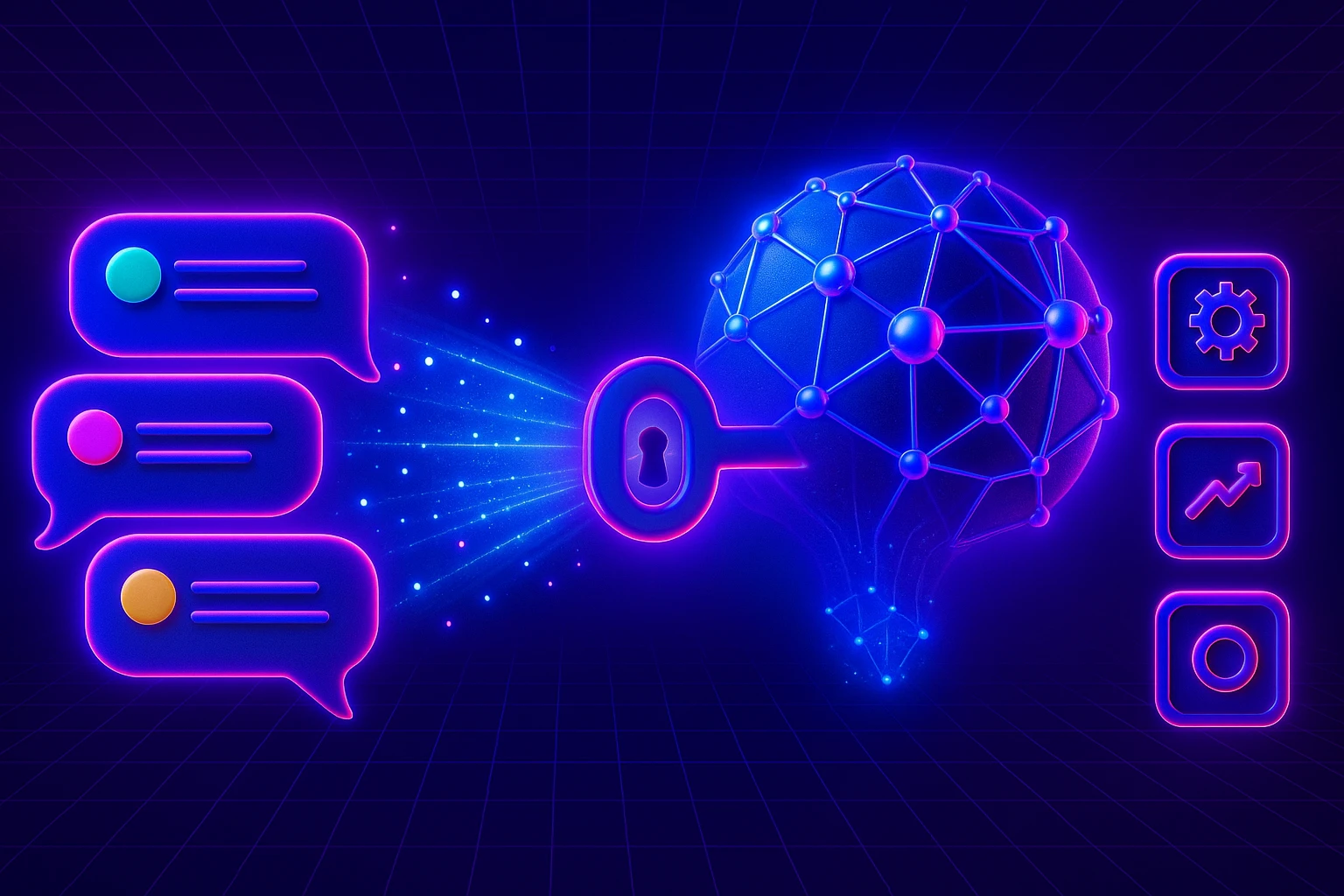
Modern ITSM platforms increasingly include AI chatbots and virtual assistants that can resolve common issues without human involvement. Employees can interact with these assistants through chat interfaces to reset passwords, request software access, or troubleshoot common problems.
This self-service capability significantly reduces service desk workloads and improves user satisfaction.
- Predictive Incident Management –
AI platforms analyze historical data, system logs, and performance metrics to predict potential issues before they impact users. By identifying anomalies and early warning signals, AI-driven ITSM systems enable IT teams to take preventive action and minimize service disruptions.
This shift from reactive to proactive service management is one of the most significant advantages of AI adoption.
- Intelligent Knowledge Management –
AI platforms can automatically recommend knowledge base articles or solutions to service desk agents while they handle support requests. By learning from previous incidents and resolutions, these systems continuously improve the accuracy and speed of troubleshooting.
Over time, this creates a self-learning support environment that becomes more efficient with every interaction.
- Automated Root Cause Analysis –
Complex IT environments often generate multiple alerts for a single underlying issue. AI platforms use correlation and pattern recognition to identify the root cause of incidents across infrastructure layers, applications, and networks.
This reduces the time required to diagnose problems and helps teams resolve issues faster.
Business Benefits of AI-Driven ITSM Platforms
Organizations that adopt AI-powered service management platforms experience measurable improvements across multiple operational areas.
- Increased Operational Efficiency –
Automation reduces the manual workload associated with ticket handling, allowing IT teams to manage larger service volumes without increasing staffing levels.
- Faster Incident Resolution –
AI-powered routing, diagnostics, and recommendations enable faster issue resolution, reducing downtime and improving productivity.
- Improved User Satisfaction –
Self-service capabilities, instant responses, and smarter support experiences significantly improve employee satisfaction with IT services.
- Data-Driven Decision Making –
Advanced analytics provide IT leaders with actionable insights into service performance, incident trends, and operational bottlenecks.
The Future of IT Service Management –
The evolution of IT environments—driven by cloud computing, hybrid infrastructure, and digital transformation—demands more intelligent and adaptive service management tools.
AI platforms are rapidly becoming the new standard for ITSM because they enable organizations to move beyond static workflows and manual processes. Instead, they deliver automated, predictive, and user-centric IT support models that align with the needs of modern enterprises.
As AI technologies continue to mature, the future of IT service management will likely include deeper automation, autonomous incident resolution, and highly personalized support experiences.
Conclusion –
Traditional ITSM tools played a critical role in standardizing IT operations for many years, but they are no longer sufficient for the demands of modern digital enterprises. The growing complexity of IT environments, increasing service expectations, and the need for faster resolutions are driving organizations toward AI-powered platforms.
By incorporating machine learning, automation, and predictive analytics, AI-driven ITSM solutions transform service management from a reactive support function into a proactive and intelligent operational capability.
For organizations aiming to improve efficiency, reduce downtime, and enhance user experiences, the transition from traditional ITSM tools to AI platforms is quickly becoming a strategic necessity rather than a future consideration.