


Introduction –
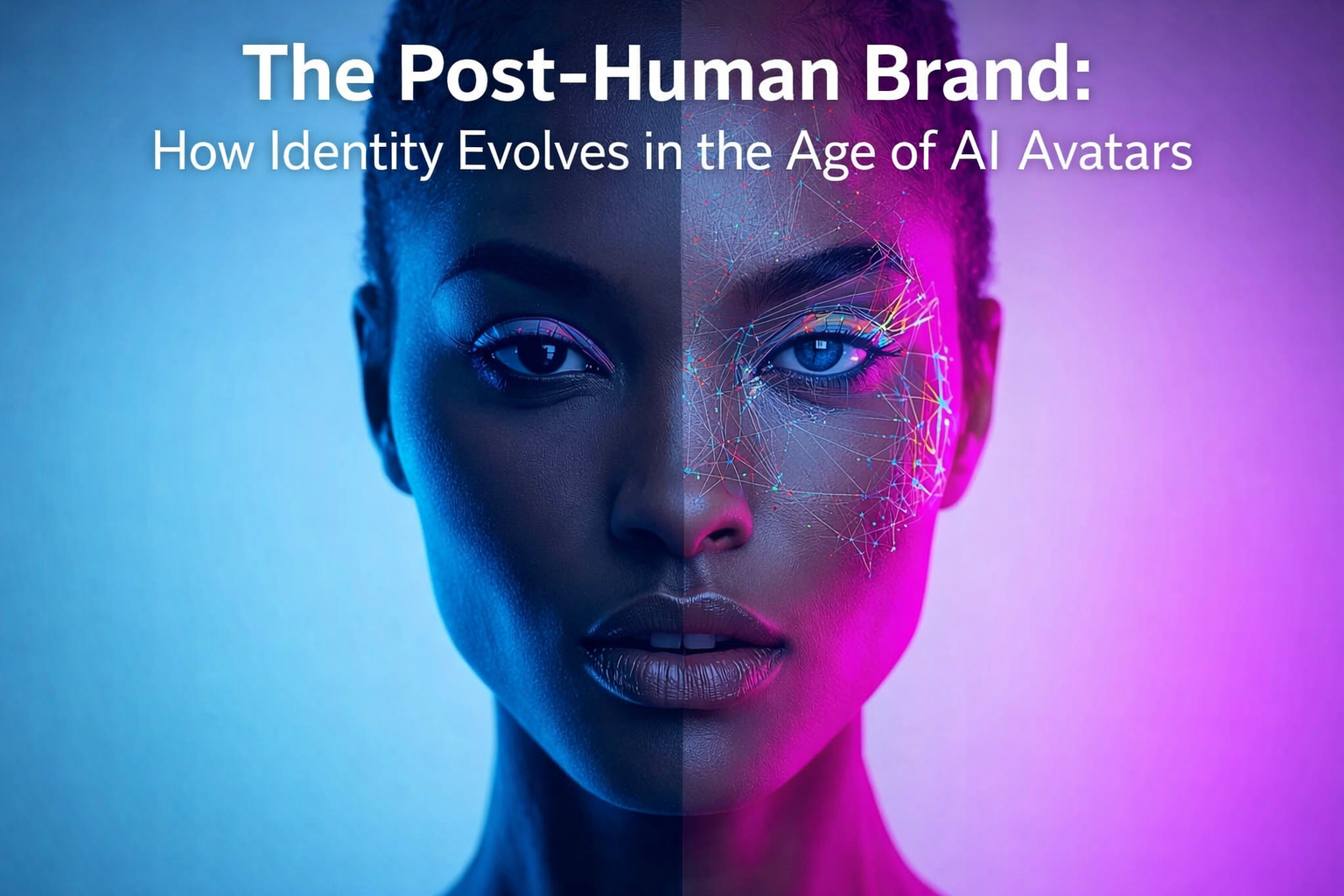
The concept of identity is undergoing a profound transformation as artificial intelligence becomes deeply integrated into digital interactions. What was once defined by human presence, personality, and experience is now expanding into a new dimension powered by AI avatars. These digital representations are not just tools but extensions of brands and individuals, capable of interacting, communicating, and evolving independently. This shift has given rise to the idea of the post-human brand, where identity is no longer limited to physical existence but becomes scalable, programmable, and adaptive.
From Personal Branding to Programmable Identity –
Traditional personal branding has always emphasized authenticity, consistency, and human connection. However, AI avatars are redefining these principles by introducing programmable identity. Instead of being restricted to one voice or one style, individuals and organizations can now create digital personas that adapt to different audiences, languages, and contexts. This allows brands to maintain a consistent presence across multiple platforms while tailoring communication dynamically. As a result, identity is no longer static—it becomes a flexible asset that can be shaped and optimized in real time.
The Emergence of Synthetic Personas –
The rise of synthetic personas marks a significant evolution in how brands present themselves. AI-generated influencers, virtual executives, and digital customer representatives are increasingly being used to engage audiences. These personas offer advantages such as consistency in messaging, complete control over brand narrative, and the ability to operate continuously without human limitations. While they can closely mimic human behavior, their artificial nature introduces new considerations around authenticity and audience perception.
Trust in the Age of Artificial Identity –
As AI avatars become more prevalent, trust takes on a new meaning. In the past, trust was built through human relationships and emotional connections. In the post-human era, it is built through transparency and ethical use of technology. Audiences expect clarity about whether they are interacting with a human or an AI, how their data is being used, and what the intent behind the interaction is. Brands that openly acknowledge their use of AI can foster credibility, while those that obscure it risk damaging their reputation.
The Blurring Line Between Human and Machine –
One of the most striking aspects of AI avatars is how they blur the boundary between human and machine. Professionals are beginning to create digital twins that replicate their voice, appearance, and communication style. These avatars can handle tasks such as customer engagement, content delivery, and global communication, effectively extending the individual’s reach. This creates a hybrid identity model where human intelligence and machine efficiency work together, allowing brands to operate beyond traditional limitations.
Business Implications and Opportunities –
The adoption of AI avatars offers significant advantages for businesses and professionals. Organizations can maintain continuous engagement with their audiences without the constraints of time or geography. Communication can be highly personalized, responding to user behavior and preferences in real time. Additionally, the cost of scaling interactions is reduced, as AI can handle large volumes of communication efficiently. This also opens the door for experimentation, enabling brands to test different messaging strategies and personas without direct risk to human representatives.
Ethical and Strategic Challenges –
Despite its potential, the post-human brand introduces complex ethical and strategic challenges. Questions around identity ownership become increasingly important, particularly when digital personas closely resemble real individuals. There is also the risk of misrepresentation, where AI avatars could be used to mislead or manipulate audiences. Furthermore, while AI can simulate empathy and engagement, it raises concerns about whether true emotional authenticity can be replicated. Addressing these challenges requires careful governance, clear policies, and responsible use of technology.
Building a Post-Human Brand Strategy –
To successfully navigate this evolving landscape, organizations must take a strategic approach to integrating AI into their identity. This involves clearly defining the role of AI avatars within the brand, whether as support tools or primary representatives. Human oversight remains essential to ensure ethical decision-making and maintain quality interactions. Transparency should be prioritized to build trust with audiences, and AI personas must align with the core values and mission of the organization. A well-defined strategy ensures that technology enhances rather than dilutes brand identity.
The Future of Identity –
Looking ahead, identity itself is likely to become a dynamic and service-based concept. Individuals and organizations may manage multiple AI personas, each designed for specific audiences or purposes. These digital identities will operate across platforms, delivering tailored experiences and interactions. In this future, branding is no longer confined to a single representation but becomes a collection of adaptable, intelligent entities working together to achieve strategic goals.
Conclusion –
The post-human brand represents a fundamental shift in how identity is understood and expressed in the digital age. AI avatars are not replacing human identity but expanding its possibilities, enabling greater reach, efficiency, and innovation. As technology continues to evolve, the ability to balance automation with authenticity will determine the success of brands in this new era. Ultimately, identity is no longer just about who you are—it is about how effectively you can extend and express that identity through intelligent, adaptive systems.