

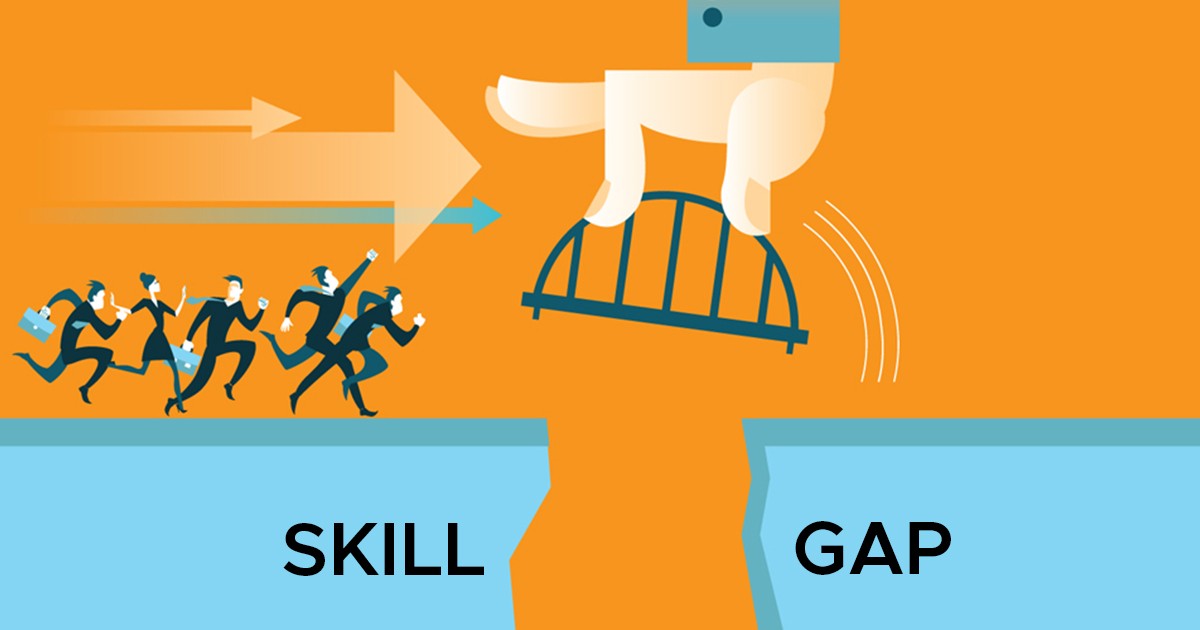

The conversation around IT skill gaps has long revolved around coding languages, certifications, and hands-on expertise with tools and platforms. Organizations have historically prioritized hiring professionals who can write efficient code, manage infrastructure, or deploy applications at scale. However, a shift is underway. The real gap today is no longer about technical capability alone—it’s about architectural thinking. This evolution reflects the growing complexity of digital ecosystems, where success depends not just on execution, but on how well systems are designed, integrated, and aligned with business goals.
What Is Architectural Thinking in IT?
Architectural thinking goes beyond knowing how to build systems—it’s about understanding why systems should be built a certain way. It involves the ability to design scalable, flexible, and resilient solutions while considering long-term implications. Professionals with this mindset evaluate trade-offs, anticipate future needs, and ensure that every component of a system fits into a cohesive whole.
Unlike purely technical skills, architectural thinking requires a blend of strategic foresight, systems design knowledge, and business awareness. It is not limited to architects by title; developers, DevOps engineers, and even project managers benefit from adopting this approach.
Why Technical Skills Alone Are No Longer Enough –
Modern IT environments are no longer isolated systems. Organizations now operate within interconnected ecosystems involving cloud platforms, microservices, APIs, and third-party integrations. In such an environment, a technically sound solution can still fail if it is not architecturally aligned.
For example, a developer may write highly optimized code, but if it doesn’t scale under increased load or integrate seamlessly with other services, it becomes a liability. Similarly, deploying applications without considering cost optimization, security architecture, or future extensibility can lead to long-term inefficiencies.
This is why companies are increasingly valuing professionals who can see the bigger picture—those who understand how individual decisions impact the entire system.
Key Characteristics of Architectural Thinkers –
Architectural thinkers bring a different perspective to IT projects. They are not just focused on immediate problem-solving but also on sustainability and growth. They ask questions like: How will this system evolve? What are the risks? How does this align with business objectives?
They tend to:
- Focus on system-wide design rather than isolated components
- Evaluate trade-offs between performance, cost, and scalability
- Consider security and compliance from the beginning
- Design for change and future expansion
- Communicate effectively across technical and non-technical teams
These traits make them invaluable in complex, fast-changing environments.
Comparing Technical Skills vs Architectural Thinking –
| Aspect | Technical Skills | Architectural Thinking |
| Focus | Implementation and execution | System design and strategy |
| Scope | Component-level | System-wide |
| Time Horizon | Short-term problem solving | Long-term sustainability |
| Decision Making | Based on immediate requirements | Based on trade-offs and future impact |
| Value to Organization | Task efficiency | Business alignment and scalability |
The Business Impact of the Architectural Skill Gap –
The lack of architectural thinking can have serious consequences for organizations. Poorly designed systems often lead to increased technical debt, higher operational costs, and reduced agility. Businesses may find themselves constantly reworking solutions that were not designed with scalability or integration in mind.
On the other hand, organizations that invest in architectural capabilities gain a competitive advantage. They can adapt faster to market changes, integrate new technologies more seamlessly, and deliver consistent user experiences. Architectural thinking enables better decision-making at every level, from infrastructure planning to application development.
How Organizations Can Bridge the Gap –

Bridging this gap requires a shift in both hiring practices and internal development strategies. Instead of focusing solely on technical certifications, organizations should assess candidates’ ability to think critically about system design and business impact.
Internally, companies can encourage architectural thinking by:
- Promoting cross-functional collaboration
- Involving developers in design discussions
- Providing exposure to system-level decision-making
- Offering training in system design and architecture patterns
- Encouraging documentation and design reviews
Creating a culture where design thinking is valued as much as coding can significantly reduce the gap.
Building Architectural Thinking as a Professional –
For IT professionals, developing architectural thinking is a career accelerator. It requires stepping beyond day-to-day tasks and engaging with the broader system. This can be achieved by learning design patterns, understanding distributed systems, and gaining exposure to real-world architectural challenges.
Reading system design case studies, participating in architecture discussions, and analyzing existing systems can help build this mindset. Over time, professionals begin to naturally consider scalability, reliability, and integration in every decision they make.
Skills Required for Architectural Thinking –
| Skill Area | Description | Importance |
| System Design | Understanding how components interact within a system | High |
| Business Awareness | Aligning IT solutions with business goals | High |
| Communication | Explaining complex ideas clearly to stakeholders | Medium |
| Problem Framing | Identifying the right problem before solving it | High |
| Trade-off Analysis | Balancing cost, performance, and scalability | High |
The Future of IT Roles –
As technology continues to evolve, the distinction between technical roles and architectural roles will blur. Developers will be expected to think like architects, and architects will need to stay technically informed. The future belongs to professionals who can bridge the gap between execution and strategy.
Organizations are already shifting toward roles that emphasize system design and strategic thinking, such as solution architects, platform engineers, and systems designers. Even entry-level roles are beginning to require a foundational understanding of architecture.
Conclusion –
The IT skill gap is no longer about a shortage of technical expertise—it’s about a shortage of architectural thinking. While technical skills remain essential, they are no longer sufficient on their own. The ability to design systems that are scalable, resilient, and aligned with business goals is becoming the defining factor of success in the modern IT landscape.
Organizations that recognize and address this shift will be better positioned to innovate and grow. Likewise, professionals who invest in developing architectural thinking will find themselves at the forefront of the industry, equipped to handle the complexities of tomorrow’s digital world.