


The Growing Importance of Customer Data –
Modern businesses generate enormous amounts of customer data every day through websites, mobile apps, social media platforms, email campaigns, CRM systems, customer support interactions, and online transactions. While this data has the potential to improve customer engagement and increase revenue, many organizations struggle to organize and utilize it effectively.
Sales teams often face a common challenge — customer information exists across multiple disconnected systems. Marketing platforms may store campaign interactions, CRM systems hold sales activities, while support tools contain service histories. This fragmented data environment makes it difficult for businesses to understand customer behavior completely.
Customer Data Platforms (CDPs) have emerged as a powerful solution for solving this problem. CDPs help organizations centralize customer data, create unified customer profiles, and enable more personalized and data-driven sales strategies. As businesses increasingly prioritize customer experience and revenue growth, CDPs are becoming essential tools for modern sales success.
What is a Customer Data Platform (CDP)?
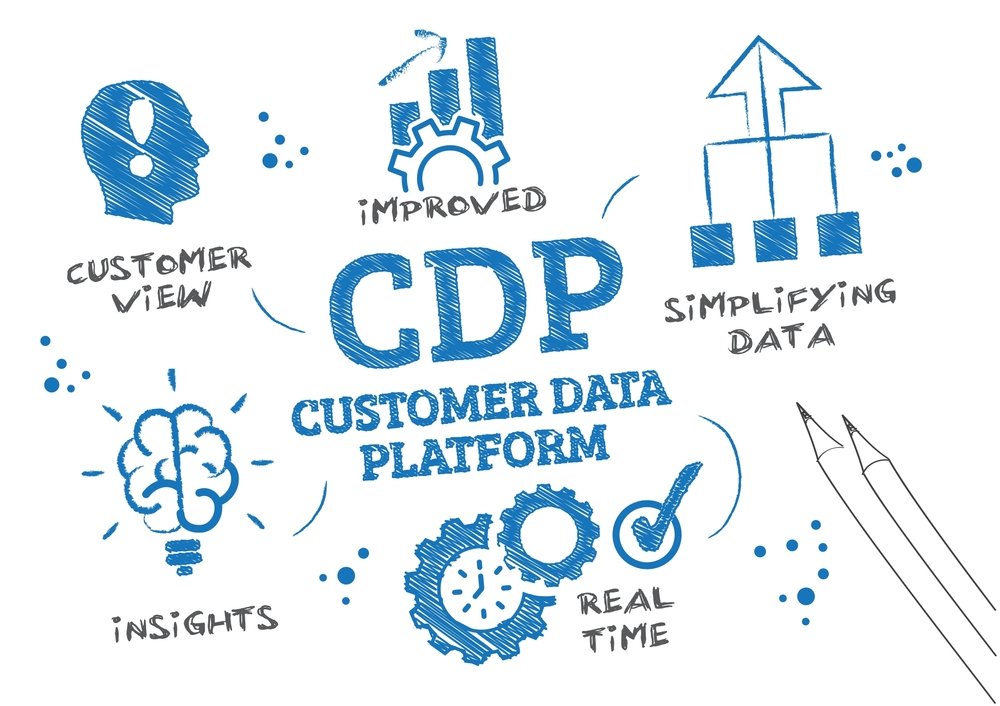
A Customer Data Platform is a software system designed to collect, unify, organize, and manage customer data from multiple sources into a single centralized platform. Unlike traditional databases or CRMs, CDPs continuously gather customer interactions from online and offline channels to build comprehensive customer profiles.
These platforms combine behavioral data, transactional information, communication history, demographic details, and engagement patterns into a unified view. This enables businesses to better understand customer preferences, buying behavior, and intent signals.
One of the biggest advantages of CDPs is their ability to provide real-time customer insights that sales and marketing teams can use to improve targeting, personalization, and customer engagement strategies.
Why Sales Teams Need CDPs –
Sales success today depends heavily on timing, personalization, and customer understanding. Buyers expect businesses to recognize their needs, preferences, and previous interactions before initiating communication.
Without centralized customer data, sales teams often rely on incomplete information, resulting in poorly targeted outreach and missed opportunities. CDPs solve this issue by giving sales representatives access to accurate and unified customer intelligence.
For example, a sales team can see whether a prospect recently visited pricing pages, downloaded resources, opened marketing emails, or interacted with support teams. This visibility allows representatives to engage customers more effectively with relevant messaging and timely follow-ups.
CDPs also help sales teams prioritize high-intent prospects by analyzing customer behaviors and identifying signals that indicate purchasing readiness.
Key Capabilities of Customer Data Platforms –
- Unified Customer Profiles
CDPs consolidate customer data from multiple channels into a single profile. This creates a complete customer view that improves sales conversations and engagement strategies.
- Real-Time Data Collection
Modern CDPs continuously update customer information in real time. Sales teams gain immediate visibility into customer actions and behavioral changes.
- Advanced Customer Segmentation
Businesses can create highly targeted audience segments based on behavior, interests, demographics, purchase history, and engagement patterns.
- Predictive Analytics
AI-powered CDPs can predict customer behavior, buying intent, churn risk, and upselling opportunities using machine learning models.
- Integration with Business Tools
CDPs integrate with CRM systems, marketing automation platforms, analytics tools, customer support software, and advertising networks to improve operational alignment.
How CDPs Improve Sales Performance –
| CDP Function | Sales Benefit | Business Outcome |
|---|---|---|
| Unified Customer Data | Better customer understanding | Improved sales conversations |
| Behavioral Tracking | Identifies buyer intent | Higher conversion rates |
| Real-Time Insights | Faster response to opportunities | Increased engagement |
| AI-Based Predictions | Smarter lead prioritization | Improved sales efficiency |
| Personalized Recommendations | More relevant outreach | Stronger customer relationships |
| Cross-Channel Visibility | Consistent communication | Better customer experience |
Personalization: The Biggest Sales Advantage –
One of the most valuable benefits of CDPs is advanced personalization. Modern customers expect businesses to deliver relevant recommendations, customized messaging, and personalized interactions.
With CDPs, sales teams can tailor outreach based on customer behavior and engagement history. Instead of sending generic sales pitches, representatives can reference specific products viewed, content downloaded, or previous interactions.
For example, if a customer frequently engages with cybersecurity-related content, the sales team can prioritize security-focused solutions during conversations.
Personalization improves customer trust, engagement rates, and conversion performance while helping businesses build stronger long-term relationships.
CDPs and AI-Powered Sales Intelligence –
Artificial intelligence is transforming how CDPs support sales operations. AI-powered CDPs analyze large datasets to identify trends, predict customer behavior, and automate lead scoring.
Machine learning algorithms can detect which prospects are most likely to convert, identify upselling opportunities, and recommend the best communication timing for sales outreach.
AI also helps sales teams uncover hidden patterns that may not be visible through manual analysis. Predictive insights allow organizations to make smarter sales decisions and allocate resources more effectively.
As AI technology continues advancing, CDPs are becoming increasingly intelligent and capable of supporting automated customer engagement strategies.
Role of CDPs in Omnichannel Sales Strategies –
Modern customer journeys span multiple channels including websites, email, social media, mobile apps, webinars, digital ads, and customer support platforms. Customers expect seamless experiences regardless of where interactions occur.
CDPs support omnichannel sales strategies by tracking customer behavior across all touchpoints and maintaining consistent customer profiles.
For example, if a customer interacts with a company through social media, downloads a whitepaper, and later contacts sales, the CDP connects all those interactions into a unified timeline.
This visibility helps businesses deliver consistent messaging and improve customer experiences across the entire buying journey.
Challenges Businesses Face When Implementing CDPs –
Although CDPs offer substantial advantages, implementation can be complex. One common challenge is data integration. Many organizations use disconnected systems with inconsistent data formats, making unification difficult.
Data privacy and compliance are also major concerns. Businesses must ensure that customer data collection and processing comply with regulations such as GDPR and other privacy laws.
Another challenge involves data quality. Inaccurate or duplicate information can reduce the effectiveness of customer profiles and AI-driven insights.
Organizations may also face operational challenges related to employee training, technology adoption, and workflow alignment across sales and marketing teams.
Despite these challenges, businesses that successfully implement CDPs often achieve significant improvements in customer engagement and revenue growth.
Best Practices for Leveraging CDPs Successfully –
Businesses should begin by defining clear goals before implementing a Customer Data Platform. Objectives may include improving lead conversion, enhancing personalization, optimizing customer retention, or strengthening sales forecasting.
Maintaining strong data governance is equally important. Organizations should establish standardized data management policies to ensure consistency, accuracy, and compliance.
Sales and marketing alignment is another key success factor. Both teams should collaborate closely to maximize the value of customer insights and segmentation strategies.
Continuous monitoring and optimization also help improve CDP performance over time. Businesses should regularly evaluate customer engagement metrics, data accuracy, and sales outcomes.
Additionally, organizations should invest in employee training to ensure teams fully understand how to use CDP insights effectively.
Future of Customer Data Platforms –
The future of CDPs will be heavily influenced by artificial intelligence, automation, and predictive analytics. Modern platforms are evolving beyond simple data collection tools into intelligent customer engagement systems.
Real-time personalization, automated customer journey orchestration, and AI-driven recommendations are expected to become standard CDP capabilities.
Privacy-focused data management will also play a larger role as businesses navigate stricter global data protection regulations.
Additionally, CDPs are likely to integrate more deeply with AI-powered CRM systems, conversational AI tools, and revenue operations platforms to create fully connected sales ecosystems.
As customer expectations continue rising, businesses that leverage CDPs effectively will gain stronger competitive advantages in personalization, customer engagement, and sales performance.
Final Thoughts –
Customer Data Platforms are transforming how businesses manage customer relationships and drive sales success. By centralizing customer information, enabling real-time insights, and supporting personalized engagement, CDPs help organizations build more intelligent and customer-focused sales strategies.
In today’s highly competitive digital environment, relying on fragmented customer data is no longer sustainable. Sales teams need unified visibility into customer behavior, preferences, and intent signals to engage prospects effectively and improve conversion rates.
Although implementing CDPs requires investment, planning, and strong data governance, the long-term benefits are substantial. Businesses that successfully leverage Customer Data Platforms can improve operational efficiency, strengthen customer relationships, increase revenue opportunities, and create more seamless customer experiences across every stage of the sales journey.