


The relationship between brands and consumers has changed dramatically over the last decade. Today’s buyers are more informed, digitally connected, and selective than ever before. Before making a purchase decision, customers research online, compare alternatives, read reviews, explore social proof, and expect immediate access to information. Whether purchasing software, booking travel, or shopping for consumer products, people increasingly evaluate businesses based on the quality of their digital experiences rather than the products alone.
Modern buyers no longer view websites, social media channels, mobile applications, customer support, and marketing communications as separate entities. Instead, they see them as part of one connected experience. Every interaction contributes to their perception of a brand and influences purchasing decisions. This shift has transformed digital experience from a supporting function into a critical business strategy.
Speed and Convenience Are No Longer Optional –
One of the most significant expectations modern buyers have is speed. Consumers have become accustomed to instant access across nearly every aspect of their lives. As a result, they expect websites to load quickly, applications to function smoothly, and information to be easily accessible.
When businesses create friction through complicated navigation, lengthy forms, or slow-loading pages, users often abandon the experience entirely. Customers expect brands to simplify their journey rather than create additional obstacles. In many cases, convenience becomes a competitive advantage that directly impacts conversion rates and customer satisfaction.
The Growing Demand for Personalization –
While convenience remains important, modern buyers increasingly expect personalized experiences. Generic communication often feels irrelevant in an environment where consumers interact with countless digital touchpoints every day.
Customers expect brands to understand their preferences, interests, and behaviors. Personalized product recommendations, customized offers, and relevant content have evolved from premium features into standard expectations.
When businesses successfully tailor experiences to individual users, they create a stronger sense of relevance and value. Conversely, companies that fail to personalize often appear disconnected from customer needs.
Why Trust and Transparency Matter More Than Ever –
As personalization becomes more sophisticated, buyers are paying closer attention to how their information is collected and used. Trust has become a foundational element of modern digital experiences.
Consumers want transparency regarding data collection, privacy policies, and recommendation algorithms. They expect businesses to protect personal information while maintaining ethical digital practices.
This expectation is particularly important in an era where consumers frequently encounter misleading advertisements, fake reviews, and questionable online content. Organizations that communicate openly and consistently are more likely to build lasting customer relationships.
The Importance of Omnichannel Consistency –
Today’s customer journey rarely occurs on a single platform. A buyer may discover a company through social media, conduct research through search engines, visit the website, interact through email, and complete a purchase on a mobile device.
Because of this behavior, buyers expect consistency across every touchpoint. Messaging, branding, and information should remain aligned regardless of where interactions occur.
Organizations that create seamless transitions between channels improve customer confidence and reduce friction throughout the purchasing process.
Content Quality Is Influencing Purchase Decisions –
Modern consumers are increasingly influenced by the value a company provides before a purchase occurs. Traditional promotional messaging is becoming less effective as buyers gain access to more information and alternatives.
Instead of focusing solely on selling, successful organizations educate and inform their audiences. Content assets such as blogs, webinars, comparison guides, videos, and case studies help buyers make informed decisions while positioning brands as trusted resources.
Businesses that consistently provide valuable content often establish stronger authority and remain top-of-mind throughout the buyer journey.
Mobile-First Experiences Have Become the Standard –
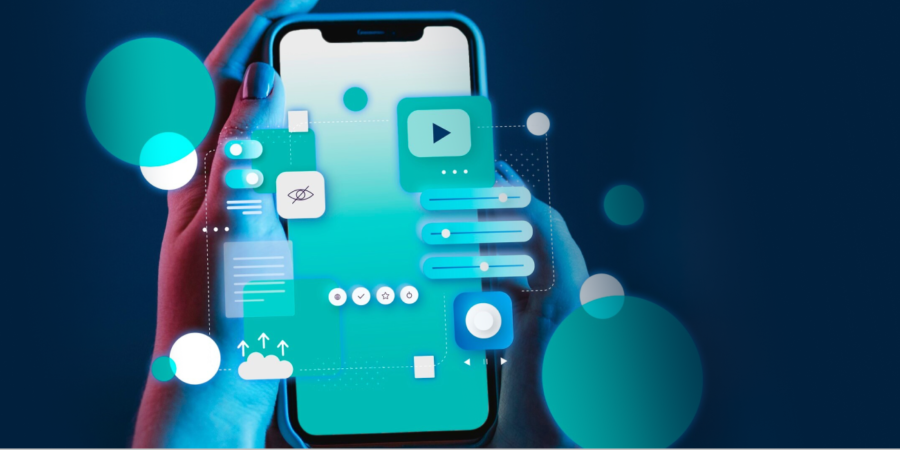
The majority of digital interactions now occur on mobile devices. As a result, buyers expect websites, applications, and digital services to function seamlessly across different screen sizes and devices.
Mobile optimization is no longer considered an innovative feature. It has become a basic requirement for delivering positive customer experiences.
Companies that fail to prioritize mobile usability risk losing potential customers before meaningful engagement can occur.
The Rise of Self-Service Expectations –
Modern buyers increasingly prefer finding answers independently rather than relying solely on customer support teams. Self-service options provide greater convenience and allow users to control their own experiences.
Examples of effective self-service tools include:
- Knowledge bases and help centers
- AI-powered chat support
- Customer portals and dashboards
- Interactive FAQs
- Product documentation
These resources reduce customer effort while improving overall satisfaction.
Interactivity Is Replacing Passive Experiences –
Static websites and one-way communication are becoming less effective in today’s digital environment. Buyers increasingly expect interactive experiences that encourage participation and engagement.
Organizations are incorporating tools such as ROI calculators, product configurators, assessments, virtual consultations, and interactive demonstrations to enhance customer engagement.
These experiences help users actively explore solutions rather than simply consume information, creating stronger connections with brands.
The Growing Importance of Decision Confidence –
Modern buyers do not simply purchase products; they invest in outcomes. Before making a decision, they seek reassurance that they are choosing the right solution.
Elements that help build confidence include:
| Trust-Building Element | Impact on Buyers |
|---|---|
| Customer Reviews | Validates quality and credibility |
| Testimonials | Provides social proof |
| Transparent Pricing | Reduces uncertainty |
| Case Studies | Demonstrates real-world success |
| Product Demonstrations | Clarifies capabilities |
| Comparison Guides | Simplifies evaluation |
Businesses that proactively address customer concerns often experience higher conversion rates and stronger loyalty.
Predictive and Proactive Experiences Are Emerging –
As artificial intelligence and analytics technologies continue to advance, buyers increasingly expect brands to anticipate their needs.
Streaming platforms recommend content based on viewing habits. E-commerce websites suggest relevant products based on previous purchases. Service providers offer proactive support before issues arise.
These predictive experiences reduce effort for customers and create more efficient decision-making processes.
As these capabilities become more common, customer expectations continue to rise.
Human-Centered Technology Still Matters –
Despite advances in automation and AI, buyers continue to value authentic communication and emotional connection. Technology should simplify experiences without removing the human element entirely.
Customers appreciate automation when it saves time, but they become frustrated when technology creates unnecessary barriers. Successful organizations balance efficiency with empathy, ensuring that digital experiences remain both functional and human-centered.
This balance is becoming increasingly important as customer interactions become more digitally driven.
The Future of Digital Experience –
Customer expectations will continue evolving alongside advancements in artificial intelligence, predictive analytics, conversational interfaces, and immersive technologies. However, the core principle will remain the same: buyers want experiences that save time, reduce complexity, and help them make confident decisions.
Organizations that treat digital experience as a strategic business priority will be better positioned to attract, engage, and retain customers in an increasingly competitive marketplace.
Conclusion –
Modern buyers evaluate businesses through the lens of digital experience. Speed, personalization, trust, consistency, accessibility, and relevance all contribute to how customers perceive a brand.
Today’s consumers compare every interaction not only against direct competitors but against the best digital experiences they have encountered anywhere. This has significantly raised expectations across industries.
In a marketplace where products can often be replicated and prices can be matched, exceptional digital experiences have become one of the most sustainable competitive advantages businesses can build. Digital experience is no longer a component of the customer journey—it has become the customer journey itself.