


Enterprise sales has traditionally been built on relationships. Sales professionals invested years mastering consultative selling, stakeholder engagement, negotiation, and trust-building because purchasing decisions were ultimately made by people. Today, however, enterprise procurement is entering a new era where artificial intelligence is becoming an active participant in the buying process.
Modern procurement platforms can analyze vendors, compare proposals, verify compliance, assess financial stability, evaluate supplier risk, and even shortlist potential partners before a procurement executive reviews the options. This shift marks the beginning of the Procurement AI Revolution, where sales teams must optimize not only for human decision-makers but also for intelligent algorithms that increasingly influence purchasing outcomes.
“Tomorrow’s enterprise sales winners won’t simply persuade buyers better—they’ll ensure AI recognizes their value before the first meeting ever takes place.”
The Evolution of Enterprise Procurement –
For decades, enterprise procurement followed a familiar process. Organizations identified business needs, invited vendors to participate in Request for Proposal (RFP) processes, evaluated presentations, compared pricing, negotiated commercial terms, and ultimately selected suppliers based on a combination of technical capability and relationship strength.
That process is rapidly changing.
Today’s procurement teams manage enormous volumes of supplier documentation, security certifications, contracts, ESG reports, pricing structures, implementation timelines, financial statements, and customer references. Reviewing this information manually has become increasingly difficult as vendor ecosystems continue to grow.
Artificial intelligence is now automating much of this evaluation.
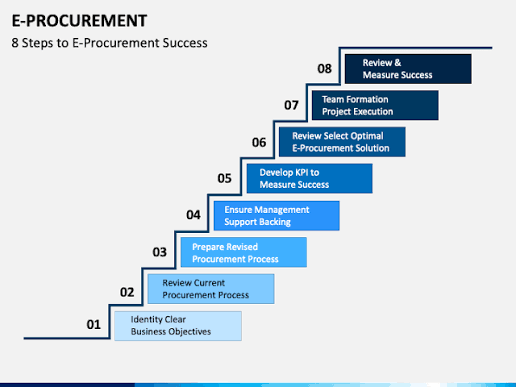
Rather than waiting for procurement managers to compare dozens—or even hundreds—of proposals manually, AI platforms analyze structured and unstructured data simultaneously, rank suppliers against organizational priorities, identify potential risks, and generate intelligent recommendations in a fraction of the time.
Why AI Is Becoming the First Buyer –
One of the biggest shifts in enterprise procurement is that AI often evaluates vendors before a human ever joins the conversation.
Modern procurement systems automatically assess suppliers based on factors such as:
- Regulatory compliance
- Cybersecurity maturity
- Financial stability
- ESG commitments
- Service-level agreements
- Customer references
- Industry certifications
- Delivery performance
If important documentation is missing—or even poorly structured—a supplier’s ranking can decline before procurement professionals schedule an introductory meeting.
For enterprise sales teams, this means the first audience is no longer always a procurement executive.
Increasingly, it is an algorithm.
How Procurement AI Evaluates Vendors –
Unlike human reviewers, AI evaluates vendors objectively using thousands of data points simultaneously.
| Traditional Procurement | AI-Driven Procurement |
|---|---|
| Manual document reviews | Automated evaluation |
| Relationship-driven | Data-driven |
| Weeks of proposal analysis | Hours of automated assessment |
| Human comparison | Algorithmic scoring |
| Periodic supplier reviews | Continuous monitoring |
This creates faster procurement cycles while reducing bias and improving consistency across supplier evaluations.
AI Is Transforming the RFP Process –
Perhaps the clearest example of procurement AI can be seen in modern Request for Proposal (RFP) evaluations.
Instead of procurement teams reading every submission manually, AI systems can:
- Compare vendor responses automatically
- Detect missing information
- Highlight compliance gaps
- Identify contractual inconsistencies
- Score implementation risk
- Recommend the strongest proposals
For sales teams, every proposal is no longer just a sales document—it has become machine-readable data.
That means formatting, consistency, supporting evidence, and structured information matter more than ever.
Pricing Transparency Has Become a Competitive Advantage –
Pricing is another area where procurement AI is reshaping enterprise buying.
Modern procurement platforms compare:
- Historical purchasing data
- Market benchmarks
- Inflation trends
- Total cost of ownership
- Contract duration
- Payment structures
- Supplier performance
As a result, organizations can no longer rely on overly complex pricing strategies to differentiate themselves.
Instead, successful sales teams increasingly communicate value through transparent pricing, measurable ROI, predictable operating costs, and clearly documented commercial outcomes.
Compliance and Cybersecurity Are No Longer Optional –
Enterprise buyers increasingly expect suppliers to demonstrate continuous compliance with global standards.
AI procurement systems now verify supplier information across:
- Security certifications
- Privacy regulations
- Industry standards
- Audit reports
- Regulatory databases
Missing or outdated documentation can immediately lower supplier rankings.
This makes governance documentation just as important as product demonstrations.
Supplier Risk Is Being Evaluated Continuously –
Unlike traditional procurement reviews that occur annually, AI continuously monitors supplier health.
Modern procurement intelligence evaluates:
| Risk Factor | Business Impact |
|---|---|
| Financial performance | Vendor stability |
| Supply chain disruption | Delivery reliability |
| Cybersecurity incidents | Security risk |
| Customer satisfaction | Service quality |
| Employee turnover | Operational resilience |
| Legal disputes | Business continuity |
Rather than waiting until contract renewal, procurement teams receive constantly updated supplier risk scores.
Content Has Become a Procurement Asset –
Enterprise buyers increasingly evaluate vendors long before direct engagement begins.
AI procurement platforms review publicly available information such as:
- Case studies
- Product documentation
- Whitepapers
- Technical guides
- Customer success stories
- Executive thought leadership
- Knowledge bases
Organizations that consistently publish authoritative, educational content strengthen both their brand credibility and their machine-readability.
Content marketing is no longer just demand generation.
It is procurement enablement.
Preparing for Autonomous Procurement –
The next phase of procurement will involve intelligent agents capable of evaluating suppliers with minimal human intervention.
Future procurement AI will likely:
- Negotiate standard contracts
- Validate compliance automatically
- Monitor supplier performance continuously
- Request missing documentation
- Compare competing vendors
- Recommend purchasing decisions
Human procurement teams will continue focusing on strategic partnerships while AI manages routine supplier evaluation.
Sales organizations should prepare now by ensuring every proposal, pricing model, security document, and implementation methodology can be understood equally well by humans and machines.
Key Takeaways –
| Traditional Enterprise Sales | AI-Era Enterprise Sales |
|---|---|
| Sell to procurement managers | Sell to AI and procurement managers |
| Relationship-first | Data credibility first |
| Manual proposal reviews | Automated proposal scoring |
| Sales presentations drive evaluation | Machine-readable documentation drives evaluation |
| Human qualification | AI-assisted qualification |
Frequently Asked Questions –
Procurement AI uses artificial intelligence to automate supplier evaluation, proposal analysis, compliance verification, pricing comparisons, and purchasing recommendations.
No. AI automates repetitive evaluation tasks while procurement professionals focus on strategic sourcing, negotiations, and relationship management.
Because procurement platforms increasingly evaluate vendors before human buyers begin formal discussions, making machine-readable information essential for competitive success.
By maintaining accurate documentation, transparent pricing, updated compliance certifications, strong customer references, and well-structured digital content.
Conclusion –
The Procurement AI Revolution is fundamentally changing how enterprise purchasing begins. AI is no longer supporting procurement—it is becoming one of its most influential participants.
For enterprise sales teams, success will increasingly depend on far more than persuasive presentations and strong relationships. Vendors must ensure their proposals, compliance documentation, pricing strategies, customer evidence, and digital content are optimized for intelligent procurement systems that evaluate suppliers long before human conversations begin.
Organizations that adapt to this new reality will gain a lasting competitive advantage by earning the trust of both algorithms and decision-makers. In the future of enterprise commerce, selling effectively will mean speaking two languages: one that builds human relationships and another that intelligent systems can understand, validate, and recommend.