


Introduction –
For decades, enterprise sales revolved around one simple objective—convince the decision-makers. Sales professionals invested years mastering consultative selling, relationship building, negotiation, and objection handling because purchasing decisions were driven almost entirely by human interactions.
Today, however, a new decision-maker has quietly entered the buying process.
Artificial intelligence is increasingly becoming the first evaluator of vendors. Before procurement teams schedule meetings or request demonstrations, AI-powered procurement platforms, enterprise search engines, and generative AI assistants are already comparing vendors, analyzing documentation, reviewing customer feedback, and ranking potential solutions.
The modern sales challenge is no longer just about influencing people—it is about ensuring intelligent systems understand, trust, and recommend your business before human conversations even begin.
“The first buyer in enterprise sales may no longer be a person—it may be an AI system evaluating your business before anyone schedules a meeting.”
The Rise of the AI Buying Committee –
Enterprise purchasing has become significantly more complex over the past decade. Buyers face hundreds of vendors offering similar products, comparable pricing models, and nearly identical feature lists. Reviewing every whitepaper, attending multiple product demonstrations, and manually comparing vendors is no longer practical.
To simplify this process, organizations are increasingly relying on AI-powered procurement platforms, enterprise search tools, and intelligent sourcing applications to perform the initial stages of vendor evaluation.
Before a salesperson receives an inquiry, AI may have already examined product documentation, customer reviews, security certifications, pricing transparency, implementation complexity, API capabilities, compliance records, and public reputation.
The first evaluator is increasingly becoming a machine rather than a human.
Why Enterprise Buying Is Changing –
Today’s enterprise buyers expect faster purchasing decisions supported by objective information rather than lengthy discovery processes.
AI dramatically accelerates vendor research by gathering information from multiple sources, including:
- Corporate websites
- Product documentation
- Customer case studies
- Analyst reports
- Security certifications
- Customer reviews
- Technical documentation
- Industry publications
Instead of spending weeks researching suppliers, procurement teams receive AI-generated comparisons within minutes, allowing them to focus only on the most qualified vendors.
Selling to AI Before Selling to People –
This shift fundamentally changes how enterprise sales organizations approach go-to-market strategies.
Historically, sales teams focused almost exclusively on influencing human buyers through presentations, meetings, and relationship-building.
Today, businesses must optimize for both human decision-makers and AI systems capable of summarizing, ranking, and recommending vendors automatically.
If an AI system cannot clearly understand your business, your company risks being eliminated before any human conversation begins.
This makes AI visibility just as important as search visibility.
Machine-Readable Trust Is Becoming Essential –
Human buyers can interpret context, ask follow-up questions, and clarify incomplete information.
Artificial intelligence cannot.
AI depends entirely on structured, accurate, and accessible information.
Organizations must therefore ensure consistency across every digital asset.
| Traditional Trust Signals | Machine-Readable Trust Signals |
|---|---|
| Personal relationships | Structured documentation |
| Sales conversations | API documentation |
| Product demonstrations | Security certifications |
| Customer references | Compliance records |
| Brand reputation | Consistent digital content |
Incomplete documentation, outdated webpages, conflicting messaging, or missing compliance information can reduce AI confidence during automated evaluations.
Content Strategy Must Evolve –
Enterprise content is no longer created only for search engines or human readers.
It must also support AI-powered search and recommendation systems.
The most valuable content now includes:
- Detailed FAQs
- Technical documentation
- Implementation guides
- Industry-specific use cases
- Customer success stories
- Product comparison pages
- Measurable business outcomes
Rather than publishing large volumes of promotional content, organizations should focus on creating authoritative resources that answer real business questions.
The Role of Sales Professionals Is Changing –
Sales representatives are no longer the primary source of product information.
Today’s buyers often enter meetings with AI-generated summaries, vendor comparisons, pricing expectations, implementation considerations, and competitive analyses already in hand.
This shifts the role of sales professionals toward strategic advisory conversations.
Instead of explaining basic features, successful sales teams focus on:
- Business outcomes
- Organizational challenges
- Change management
- Risk reduction
- Long-term value creation
AI provides information.
Sales professionals provide confidence.
Data Quality Has Become a Revenue Strategy –
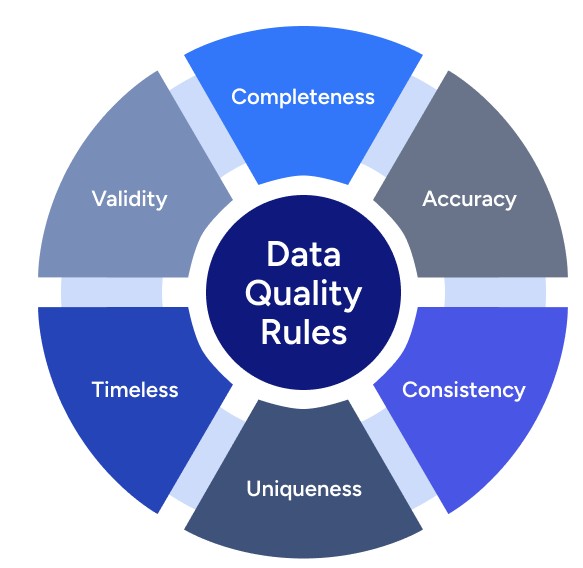
The effectiveness of AI-driven purchasing depends heavily on data quality.
Organizations with fragmented customer records, inconsistent documentation, and disconnected information struggle to generate reliable insights for both internal teams and external AI procurement systems.
Maintaining clean, accurate, and unified enterprise data is no longer simply an operational best practice—it has become a competitive advantage.
Businesses that invest in structured knowledge management improve both AI visibility and sales effectiveness.
Building Digital Trust Across the Enterprise –
Trust remains one of the strongest factors influencing enterprise purchasing decisions.
However, trust is increasingly established long before buyers contact vendors.
Modern enterprise buyers—and the AI systems supporting them—evaluate organizations using objective trust indicators such as cybersecurity certifications, regulatory compliance, responsible AI governance, customer success stories, transparent pricing, and measurable business outcomes.
Creating these digital trust signals requires collaboration across multiple departments, including sales, marketing, product management, customer success, legal, compliance, and IT.
Organizations that present consistent, accurate, and credible information across every public touchpoint are far more likely to be recommended by AI-driven procurement systems.
Key Takeaways –
| Traditional Enterprise Sales | AI-Driven Enterprise Sales |
|---|---|
| Sell to decision-makers | Sell to AI and humans |
| Relationship-first | Trust-first |
| Search Engine Optimization | AI Visibility Optimization |
| Sales presentations | Structured knowledge |
| Manual research | AI-assisted evaluation |
Conclusion –
Artificial intelligence is fundamentally changing how enterprise purchasing decisions begin.
Before buyers schedule meetings or request demonstrations, AI systems increasingly evaluate vendors using publicly available information, structured documentation, trust signals, and business intelligence.
Organizations that recognize this shift early will move beyond traditional selling and begin optimizing for both human decision-makers and intelligent systems. The future of enterprise sales belongs to companies that communicate clearly, build digital trust, and make their expertise easily understandable by machines as well as people.
In the years ahead, success will not depend solely on convincing buyers—it will depend on ensuring AI recommends your business before buyers even start the conversation.
Frequently Asked Questions –
An AI Buying Committee refers to the growing use of artificial intelligence within procurement and enterprise purchasing processes to evaluate vendors before human decision-makers become directly involved.
Because AI increasingly influences vendor shortlisting, organizations with structured documentation, trustworthy digital assets, and authoritative content have a greater chance of being recommended during automated evaluations.
No. AI accelerates research and evaluation, while sales professionals continue building trust, managing complex negotiations, and guiding strategic business decisions.
Organizations should maintain accurate documentation, publish authoritative content, update security and compliance information, improve structured data, and create consistent messaging across every digital channel.