


Introduction –
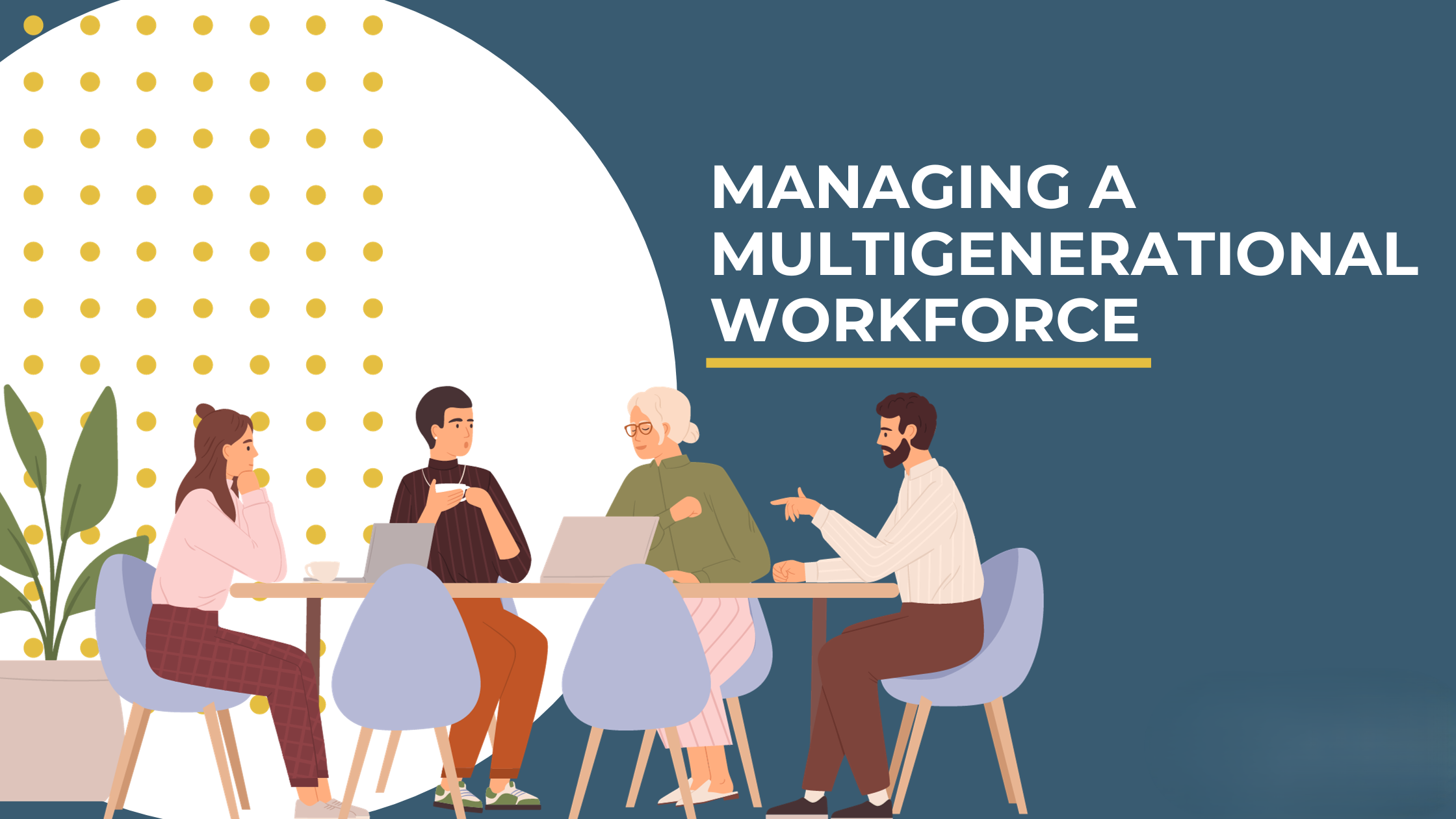
The modern workplace is evolving rapidly, and one of the most significant shifts is the presence of a multi-generational workforce. Organizations today often have employees ranging from Baby Boomers to Generation Z working together under the same roof. Each generation brings its own values, expectations, and working styles, making workforce management more complex than ever. In this dynamic environment, Human Resources (HR) plays a crucial role in ensuring harmony, productivity, and engagement across all age groups.
Understanding Generational Differences –
A key responsibility of HR is to understand the behavioral and professional differences among generations. Baby Boomers tend to value stability, loyalty, and structured environments, while Generation X employees are known for their independence and focus on work-life balance. Millennials often seek purpose-driven work, continuous feedback, and career growth opportunities. In contrast, Generation Z employees prioritize flexibility, digital connectivity, and mental well-being. These differences influence how employees communicate, collaborate, and perform in the workplace.
Key Challenges in Managing Multi-Generational Teams –
Managing a diverse age group comes with several challenges. Communication gaps often arise because each generation prefers different communication methods, from emails and meetings to instant messaging tools. Additionally, varying work styles can lead to misunderstandings, as older employees may prefer traditional approaches while younger employees lean toward flexibility and innovation. Technology adoption is another hurdle, as not all employees adapt to new tools at the same pace. HR must also address differing expectations around feedback, recognition, and career progression.
HR Strategies to Bridge the Generational Gap –
- Inclusive Workplace Policies –
HR must develop policies that cater to employees across all generations. Flexible working hours, hybrid work models, and personalized benefits can help address diverse needs. When employees feel their preferences are acknowledged, engagement and satisfaction improve significantly.
- Cross-Generational Collaboration –
Encouraging collaboration between different age groups helps build mutual understanding. Mentorship programs allow experienced employees to share knowledge, while reverse mentoring enables younger employees to introduce digital skills and new perspectives. This exchange fosters innovation and strengthens team dynamics.
- Learning and Development Programs –
Training programs should be designed to suit different learning preferences. While some employees may prefer structured classroom sessions, others benefit from digital learning platforms and short, interactive modules. A blended learning approach ensures that everyone can upskill effectively.
- Communication Enhancement –
HR should implement multi-channel communication strategies to accommodate varying preferences. Clear and transparent communication reduces conflicts and ensures alignment across teams. Using a mix of traditional and modern communication tools helps bridge generational divides.
Generational Traits Overview –
| Generation | Key Characteristics | Preferred Work Style | Communication Preference |
|---|---|---|---|
| Baby Boomers | Loyal, experienced, disciplined | Structured and stable | Face-to-face, email |
| Generation X | Independent, adaptable, pragmatic | Balanced and flexible | Email, direct communication |
| Millennials | Tech-savvy, purpose-driven, growth-focused | Collaborative and feedback-driven | Messaging apps, video calls |
| Generation Z | Digital-first, diverse, innovation-oriented | Flexible and fast-paced | Instant messaging, social tools |
Building a Unified Organizational Culture –
Creating a strong and inclusive culture is essential for managing a multi-generational workforce. HR must focus on establishing shared values that resonate across all age groups. Encouraging open feedback, recognizing achievements, and promoting inclusive leadership can help reduce generational conflicts. A positive workplace culture ensures that employees feel respected and valued, regardless of their age.
Business Impact of Effective HR Management –
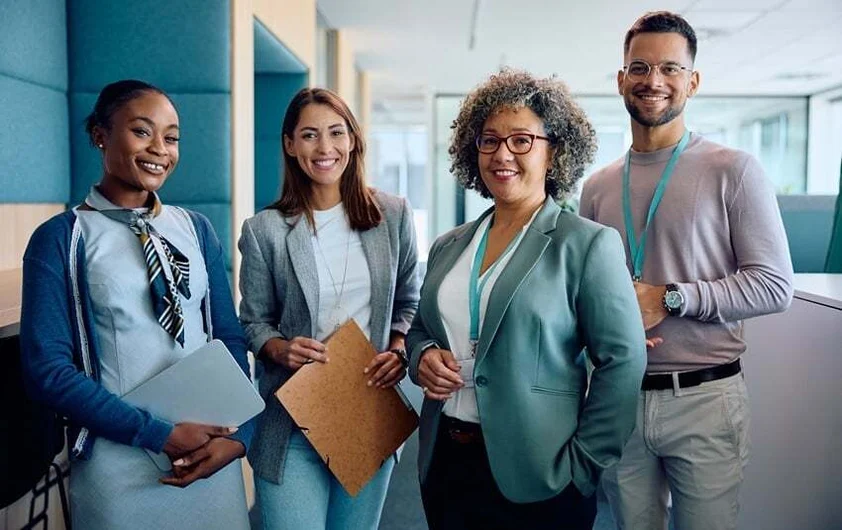
When HR successfully manages generational diversity, organizations benefit in multiple ways. There is improved collaboration, enhanced knowledge sharing, and increased innovation due to diverse perspectives. Employee retention also improves, as individuals feel more connected to the organization. Ultimately, a well-managed multi-generational workforce contributes to long-term business success.
Conclusion –
The presence of multiple generations in the workplace is both a challenge and an opportunity. HR plays a vital role in aligning different expectations and creating an environment where all employees can thrive. By implementing inclusive policies, promoting collaboration, and adapting to changing workforce dynamics, HR can turn generational diversity into a strategic advantage.