


Introduction –
For more than a century, businesses have measured success by the number of products they manufacture and sell. Whether producing automobiles, software licenses, industrial equipment, or consumer electronics, the traditional business model revolved around ownership. Customers purchased a product, took possession of it, and the transaction largely ended there. While services and maintenance contracts added recurring revenue, ownership remained the central concept of commerce.
Today, that model is rapidly evolving. Across industries, organizations are discovering that the true source of long-term value lies not in selling products but in controlling and managing access. Instead of purchasing software outright, businesses subscribe to cloud platforms. Rather than buying expensive infrastructure, enterprises consume computing resources on demand. Even physical products such as vehicles, machinery, and medical equipment increasingly deliver value through connected services and feature subscriptions. This shift marks the emergence of what many industry experts describe as the Enterprise Permission Economy.
In this new economic model, access becomes the product. Organizations monetize permissions, subscriptions, digital identities, APIs, premium capabilities, and personalized experiences instead of relying solely on one-time product sales. The enterprises that master secure access management, identity verification, and customer engagement will be better positioned to generate recurring revenue, strengthen customer relationships, and adapt to changing market demands.
Understanding the Enterprise Permission Economy –

The Enterprise Permission Economy refers to a business environment in which organizations create value by granting, managing, and monetizing controlled access to digital resources rather than transferring ownership of products. Access may include software features, cloud services, enterprise
applications, digital content, APIs, connected devices, customer communities, or AI-powered capabilities.
Unlike traditional ownership models, permission-based businesses continuously manage customer relationships throughout the lifecycle of access. Organizations determine who can access specific resources, under what conditions, for how long, and at what pricing tier. Identity, authentication, authorization, and policy enforcement become core business capabilities rather than purely technical functions.
As digital transformation accelerates, enterprises are recognizing that managing permissions effectively can become a strategic competitive advantage.
Traditional Product Economy vs. Enterprise Permission Economy –
| Business Aspect | Traditional Product Economy | Enterprise Permission Economy |
|---|---|---|
| Revenue Model | One-time sales | Recurring subscriptions |
| Customer Relationship | Transactional | Continuous engagement |
| Ownership | Customer owns product | Customer receives access |
| Product Updates | Periodic upgrades | Continuous delivery |
| Pricing | Fixed purchase | Usage or subscription based |
| Business Focus | Product delivery | Access management |
| Customer Value | Ownership | Flexibility and scalability |
Why Access Is Becoming More Valuable Than Ownership –
Modern enterprises increasingly prioritize flexibility over ownership. Businesses no longer want to purchase excess software licenses, maintain expensive hardware, or invest heavily in infrastructure that may become obsolete within a few years. Instead, they seek scalable solutions that provide access when needed and allow them to pay only for actual usage.
This preference extends beyond software. Manufacturing companies subscribe to predictive maintenance platforms. Healthcare providers access cloud-based diagnostic systems. Retailers leverage AI-powered analytics services. Financial institutions consume fraud detection capabilities through APIs rather than developing them internally.
For vendors, recurring access models create predictable revenue streams while enabling continuous innovation. Customers benefit from automatic updates, reduced upfront costs, and the ability to scale services according to business needs.
Identity Has Become a Business Asset –
In the Permission Economy, digital identity is no longer merely a security requirement—it is a business asset. Every employee, customer, contractor, partner, application, API, and connected device possesses a digital identity that determines the level of access granted within an enterprise ecosystem.
Identity and Access Management (IAM) systems have evolved beyond password management to become central platforms for customer onboarding, regulatory compliance, fraud prevention, and personalized experiences. Organizations increasingly use identity intelligence to understand user behavior, optimize customer journeys, and reduce security risks.
As enterprises expand across cloud environments, managing identities consistently becomes essential for maintaining both operational efficiency and customer trust.
“The future of enterprise value will not depend on what organizations own, but on what they can securely allow others to access.”
Subscription Models Are Reshaping Enterprise Revenue –
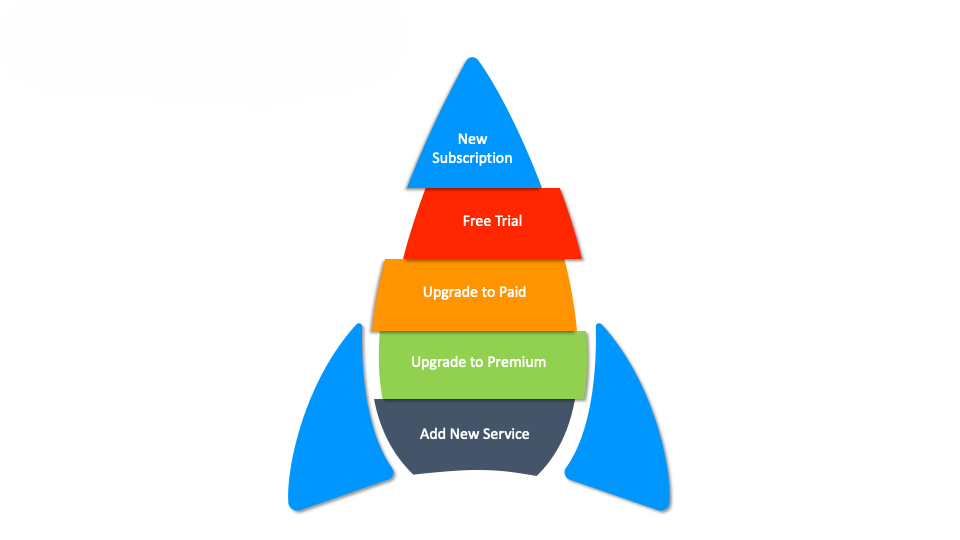
The subscription economy has fundamentally altered how businesses generate revenue. Rather than relying on large one-time purchases, organizations increasingly offer monthly or annual subscriptions that provide continuous access to products, services, and premium capabilities.
Software-as-a-Service (SaaS) pioneered this transformation, but the model now extends to industries including manufacturing, healthcare, transportation, entertainment, financial services, and industrial automation. Customers appreciate predictable costs and continuous improvements, while vendors gain recurring revenue and stronger customer retention.
The success of subscription-based businesses demonstrates that long-term customer relationships often generate greater lifetime value than individual product sales.
Examples of Access-Based Business Models –
| Industry | Traditional Offering | Permission-Based Model |
|---|---|---|
| Software | Software license | SaaS subscription |
| Manufacturing | Equipment sales | Equipment-as-a-Service |
| Healthcare | Medical devices | Connected healthcare platforms |
| Automotive | Vehicle ownership | Subscription features |
| Banking | Branch services | Digital banking access |
| Education | Printed textbooks | Online learning platforms |
| Media | Physical media | Streaming subscriptions |
APIs: Selling Access Instead of Products –
Application Programming Interfaces (APIs) exemplify the Permission Economy. Organizations no longer need to sell complete software products when they can monetize secure access to individual capabilities through APIs.
Payment providers offer transaction processing APIs. Mapping companies provide location intelligence APIs. AI vendors expose machine learning capabilities through API subscriptions. Financial institutions enable secure banking integrations. Businesses consume these services as needed, paying based on usage rather than ownership.
APIs allow enterprises to transform internal capabilities into scalable digital products while expanding partner ecosystems and accelerating innovation.
Artificial Intelligence Is Expanding the Permission Economy –
Artificial intelligence is introducing entirely new forms of access-based value. Rather than purchasing AI software outright, organizations subscribe to AI assistants, language models, predictive analytics platforms, and intelligent automation services.
Generative AI platforms operate almost exclusively through access models. Customers pay for API calls, subscription tiers, usage limits, or enterprise licenses instead of owning the underlying AI infrastructure.
This approach allows AI providers to continuously improve models while giving enterprises access to cutting-edge capabilities without maintaining expensive computing resources.
Zero Trust Makes Permissions More Valuable –
The growing adoption of Zero Trust security reinforces the importance of permissions. Instead of assuming users inside the corporate network are trustworthy, Zero Trust continuously verifies identity, device health, location, and behavior before granting access.
This security model aligns perfectly with the Permission Economy because every interaction requires dynamic authorization rather than permanent trust. Enterprises increasingly manage permissions based on risk, context, and business policies, ensuring users receive only the minimum access necessary to perform their responsibilities.
As cyber threats continue evolving, organizations that combine access management with Zero Trust principles will strengthen both security and operational resilience.
“Ownership creates transactions. Permission creates relationships.”
Challenges of the Enterprise Permission Economy –
Although access-based business models offer substantial benefits, they also introduce new challenges. Organizations must manage increasingly complex identity ecosystems, ensure regulatory compliance, protect customer privacy, and prevent unauthorized access across distributed cloud environments.
Subscription fatigue can also affect customers as they juggle multiple recurring services. Vendors must therefore deliver continuous value to justify ongoing subscriptions. Transparent pricing, seamless user experiences, and reliable customer support become essential for long-term success.
Businesses must also invest in governance frameworks that define how permissions are granted, monitored, audited, and revoked throughout the customer lifecycle.
Building a Permission-First Enterprise Strategy –
Organizations preparing for the future should view permissions as strategic assets rather than administrative tasks. A permission-first strategy begins with understanding users, defining access policies, and implementing scalable identity management platforms that support employees, customers, partners, and connected devices.
Modern enterprises should integrate Identity and Access Management (IAM), Privileged Access Management (PAM), API security, Zero Trust architecture, and AI-driven identity analytics into a unified governance framework. At the same time, business leaders should design pricing models that align access levels with customer value, encouraging upgrades while maintaining flexibility.
By combining security, user experience, and recurring revenue strategies, enterprises can unlock sustainable growth in the Permission Economy.
Best Practices for Success in the Permission Economy –
- Develop flexible subscription and usage-based pricing models.
- Implement robust Identity and Access Management (IAM) solutions.
- Adopt Zero Trust principles for continuous access verification.
- Secure APIs with authentication, authorization, and monitoring.
- Use AI to detect anomalous access behavior and reduce fraud.
- Continuously review and optimize user permissions.
The Future of Enterprise Business Models –
The Enterprise Permission Economy will continue expanding as organizations adopt cloud-native architectures, AI-powered services, connected devices, and digital ecosystems. Businesses will increasingly monetize access to intelligence, automation, data, and collaborative platforms rather than relying solely on physical products or perpetual software licenses.
Emerging technologies such as decentralized identity, passwordless authentication, confidential computing, and machine identities will further strengthen permission-based business models. Organizations capable of securely managing billions of digital interactions while delivering personalized access experiences will establish significant competitive advantages.
The enterprises that succeed over the next decade will be those that understand a simple but profound shift: value is no longer created primarily by ownership—it is created by trusted, secure, and intelligent access.
Conclusion –
The Enterprise Permission Economy represents one of the most significant shifts in modern business strategy. As cloud computing, artificial intelligence, APIs, and digital platforms redefine how organizations create value, access is becoming more important than ownership. Enterprises are increasingly selling subscriptions, capabilities, identities, and experiences instead of standalone products.
Success in this new landscape requires more than strong technology. It demands a strategic approach to identity, security, governance, customer engagement, and recurring value creation. Organizations that invest in permission-first architectures and embrace access-based business models will be better equipped to drive innovation, build lasting customer relationships, and remain competitive in an increasingly digital economy.
In the years ahead, the most valuable enterprises may not be those that manufacture the most products, but those that provide the most secure, intelligent, and seamless access to the digital services that customers depend on every day.
Frequently Asked Questions (FAQs) –
The Enterprise Permission Economy is a business model where organizations generate value by granting and managing secure access to digital products, services, APIs, data, and platforms instead of relying solely on product ownership.
Access offers flexibility, scalability, continuous updates, and lower upfront costs. It also enables businesses to build recurring revenue streams and stronger customer relationships.
IAM ensures that the right users have the right level of access at the right time, improving security, compliance, and user experience while supporting subscription and access-based services.
Technology, healthcare, finance, manufacturing, education, media, automotive, and retail are among the industries benefiting from subscription services, APIs, cloud platforms, and digital access models.
Zero Trust continuously verifies users and devices before granting access, making it an ideal security framework for businesses that rely on permission-based services and digital identities.